
How Ketamine Therapy May Support Sleep During the Long Winter Nights?
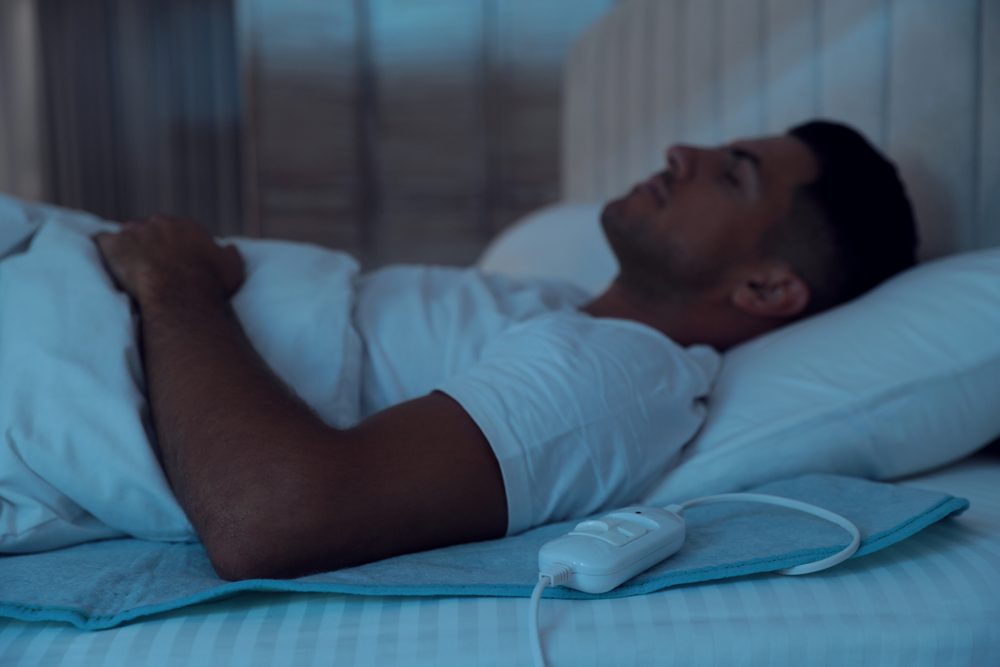
As the winter nights grow longer and darker, many people find themselves struggling with sleep. Changes in light exposure and daily routine can affect circadian rhythms, sometimes leading to fatigue, irritability, and difficulty maintaining consistent rest.
If you’ve explored common strategies such as sleep hygiene practices or relaxation techniques and are still experiencing challenges, it may be worth considering how broader mental health support—including ketamine therapy—could play a role.
The Winter Sleep Struggle: Why It Happens
Reduced daylight during winter months can influence the body’s natural rhythms, including those involved in sleep and wake cycles. For some individuals, this may contribute to disrupted sleep patterns or seasonal changes in mood.
Sleep challenges are often connected to underlying factors such as stress, anxiety, or depression. Addressing these underlying experiences can sometimes lead to improvements in overall sleep quality.
How Ketamine Therapy May Influence Sleep
Ketamine therapy is not a primary treatment for sleep disorders. However, for some individuals, improvements in sleep may occur as part of broader changes in mood and emotional regulation.
Ketamine is thought to interact with brain systems involved in mood and perception. Some individuals report shifts in how they experience stress, anxiety, or depressive symptoms following treatment. When these factors improve, sleep patterns may also change.
Possible ways sleep may be supported indirectly include:
Reduced Emotional Intensity
For individuals experiencing anxiety or persistent stress, changes in emotional intensity may make it easier to relax at night.
Shift in Thought Patterns
Some individuals describe a change in how they relate to repetitive or intrusive thoughts, which can contribute to improved ability to settle before sleep.
Support for Mood-Related Sleep Disruption
Because sleep and mood are closely connected, changes in depressive symptoms may influence overall sleep quality for some individuals.
What Does the Research Suggest?
Research exploring ketamine therapy has primarily focused on its effects on mood. Some studies have observed improvements in sleep among participants receiving treatment for depression, though sleep is typically considered a secondary outcome.
These findings suggest that while ketamine therapy may be associated with changes in sleep, it is not specifically indicated as a treatment for insomnia. Individual responses vary, and further research continues in this area.
Is Ketamine Therapy Right for You?
If you are experiencing ongoing sleep challenges—particularly alongside mood-related concerns—it may be helpful to explore a range of care options with a qualified provider.
Ketamine therapy may be considered as part of a broader treatment plan when:
- Other approaches have not provided sufficient benefit
- Sleep disruption is connected to mood or emotional factors
- A medically supervised, structured approach is appropriate
A thorough assessment is important to determine whether this approach aligns with your needs.
Supporting Restful Nights Through Comprehensive Care
Improving sleep often involves more than one approach. Alongside any clinical treatment, factors such as sleep routines, stress management, and daily habits play an important role in long-term outcomes.
Ketamine therapy, when appropriate, may contribute to a broader shift in well-being that supports more consistent rest over time.
Explore Support for Your Well-Being This Winter
The Sitting Room offers care within a calm, physician-directed environment focused on safety, respect, and individualized support.
If you are navigating sleep challenges alongside broader mental health concerns, their team can help you explore whether ketamine therapy may fit within your overall plan of care.
Contact The Sitting Room today to learn more.